P.O Box 85, Kapelebyong Tel: +256-776649386/ 784129412/ | E-mail: [email protected]

Kapelebyong Intensifies Sensitisation as Farmers Urged to Embrace FMD Vaccination
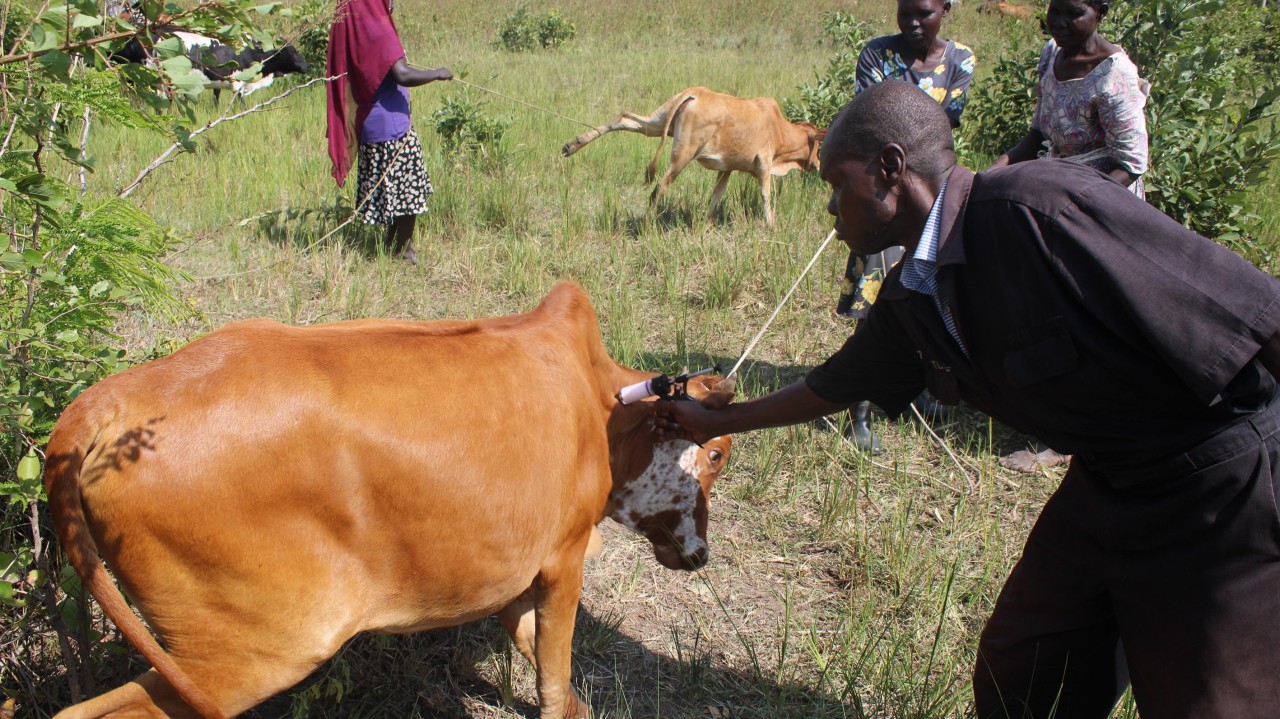
Kapelebyong District has stepped up community sensitisation campaigns to mobilise livestock farmers to participate in the Government's compulsory cost-recovery mass vaccination programme against Foot and Mouth Disease (FMD).
The campaign is intended to protect livestock, restore confidence in the livestock market, and shield farmers from the devastating economic losses caused by FMD outbreaks.
Mr. Ekita Raymond, District Veterinary Officer, says vaccinating animals is one of the most effective and affordable ways of preventing the disease, which has repeatedly disrupted livestock production and trade across the country.
To reach as many farmers as possible, the District Veterinary Department is conducting radio talk shows, community meetings, and stakeholder engagements to educate livestock keepers on the importance of vaccination and the procedures involved.
“Foot and Mouth Disease is a highly contagious viral disease that affects cattle, goats, sheep, and pigs. Outbreaks often lead to government-imposed quarantines, restricting the movement and sale of livestock and livestock products. These restrictions deny farmers access to markets, reduce household incomes, increase treatment costs, and can result in the death of infected animals,” Ekita said.
Uganda earns nearly USD 500 million annually from the livestock sector. According to Ekita, controlling FMD is essential to safeguarding farmers' livelihoods, strengthening the national economy, and maintaining access to both local and international livestock markets.
Speaking to Teso Post, Dr. Lumu Paul from the Ministry of Agriculture, Animal Industry and Fisheries (MAAIF) urged farmers not to wait for an outbreak before taking action.
He explained that every farmer is expected to register before vaccination. The vaccination fee is UGX 8,000 per cow or pig and UGX 4,000 per goat or sheep. Payments should be made through Housing Finance Bank or Pearl Bank. Upon payment, each farmer will receive a unique identification number to facilitate vaccination.
Dr. Lumu emphasised that vaccinated animals will receive official vaccination certificates, which will become a key requirement for accessing livestock markets, slaughter slabs, and abattoirs. Animals without valid vaccination certificates may not be allowed to enter these facilities.
He called upon farmers to view the vaccination fee as an investment rather than a cost, noting that it is far cheaper to vaccinate healthy animals than to incur the heavy financial losses associated with disease outbreaks and quarantine restrictions.
Kapelebyong District is home to an estimated 107,000 cattle, 54,000 goats, 19,500 sheep, and 24,500 pigs. District leaders believe that achieving high vaccination coverage will significantly reduce the risk of future outbreaks, keep livestock markets open, and improve household incomes.
Emmanuel Opio, Communications Officer
Kapelebyong District